

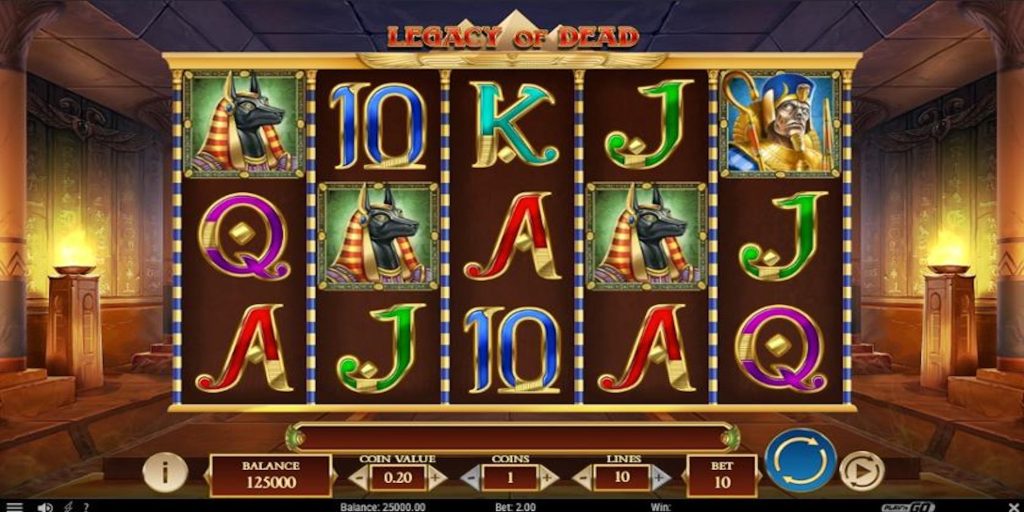
Gambler safeguards and safety represent the fundamental basis of any reputable online gaming platform. For the UK market, these concerns carry extra weight. The UK Gambling Commission imposes a rigorous regulatory environment. This analysis of the Legacy of Dead Slot, found at legacy-of-dead.eu, is shaped by that reality. A game must be greater than just engaging. Legacy of Dead certainly delivers on that front with its Ancient Egyptian theme and high volatility action. But for a UK player, the supporting infrastructure needs to be solid. This review will outline the security protocols, licensing, and responsible gambling tools that create a safeguarding ecosystem around this slot. We will examine beyond the gameplay to see how the platform guards user data, finances, and personal wellbeing. The goal is an experience that seems as safe as it is exciting.
The Critical Significance of UK Gambling Commission Licensing

For any gambling website serving the UK, a valid licence from the UK Gambling Commission (UKGC) is the key standard. It is the first security feature a player should look for. The providers operating the Legacy of Dead Slot platform hold this important certification. This is not merely documentation. It represents a binding commitment to player protections that are established by statute. A UKGC licence demands strict adherence to tenets of equitable competition, crime prevention, protecting the young and vulnerable, and clear conduct. This third-party, government-backed oversight is the primary protective layer in place. It means the game’s Random Number Generator (RNG) submits to regular fairness audits by independent testers. Every spin’s outcome is guaranteed to be random and unmanipulated. The licence also legally requires the operator to keep player deposits separate from company funds. Your money rests in secure accounts, protected against any corporate financial troubles. For a UK player, this licence is your key protection. It converts a website into a licensed, responsible service.
Cutting-edge Technical Security Systems in Place
Behind the engaging gameplay, a suite of technical security measures operates around the clock to secure data and financial transactions. My review at the Legacy of Dead Slot platform reveals that industry-standard encryption is a given. The site utilizes Secure Socket Layer (SSL) or Transport Layer Security (TLS) encryption. This technology encrypts all data moving between your device and the platform’s servers. Sensitive information like login details, personal data, and payment information becomes unreadable code to any outsider. It is the same security used by high-street banks. Strong firewall systems also stand guard. They serve as a digital barrier, defending servers from unauthorised access and cyber-attacks such as Distributed Denial of Service (DDoS) attempts. The platform’s security approach likely includes regular penetration testing. Ethical hackers attempt to find weaknesses before malicious actors can. Internal data policies will comply with rules like the UK Data Protection Act 2018. For you, the player, this technical fortress operates invisibly. Its presence allows you concentrate on the game, confident your digital footprint is well protected.
Responsible Gambling Tools and Player Empowerment
True player protection signifies more than securing data. It encompasses protecting personal conduct and financial health. A platform’s commitment to responsible gambling makes this clear. The Legacy of Dead Slot environment, following UKGC rules, provides a collection of practical tools that offer you control over your play. These are not concealed. They are easy-to-use options created for regular use. You can set deposit limits for a day, week, or month. This is a powerful way to adhere to a budget. Session time reminders show up to notify you how long you’ve been playing, prompting healthy breaks. Two of the most significant tools are time-outs and self-exclusion. Time-outs let you to take a short break from 24 hours up to several weeks. Self-exclusion enables you to close your account for at least six months. The platform must also provide clear links to support groups like GamCare and BeGambleAware. These give direct help if things get challenging. These tools are not a nuisance. They are crucial parts of a modern, ethical gaming service. They put real control in the player’s hands.
Fairness and Game Honesty Audits
The appeal of a slot like Legacy of Dead relies on one thing: trust that the game is legitimate and results are random. Checking this integrity is a priority. The UKGC licence requires it, but independent audits offer the verification. Respected testing agencies like eCOGRA, iTech Labs, or GLI regularly inspect the game’s underlying software. Their auditors run thorough analyses of the Random Number Generator (RNG). They verify that the symbol on every spin is statistically random, unforeseeable, and impartial. They also verify the stated Return to Player (RTP) percentage. Legacy of Dead has a theoretical RTP of 96.58%. Audits confirm the game’s statistical model aligns with this figure over millions of spins. You can often spot these audit certificates or logos in the site footer. Players should check for them. This outside verification is critical. It means the game’s volatility and potential stem from its design, not from manipulation. When you pursue the high-value God symbols or activate the free spins round, you are enjoying a game whose fairness has been officially certified.
Protected Banking and Payment Safety
A UK player’s protection journey involves the essential steps of funding and withdrawing money. I have analyzed the banking systems for platforms featuring Legacy of Dead. A reliable, clear transaction system characterizes a trustworthy operator. The selection of payment methods in itself adds security. Trusted options like Visa, MasterCard, PayPal, and e-wallets like Skrill and Neteller are standard. These providers run their own fraud prevention systems, building an extra security layer. Critically, SSL encryption protects all financial transactions. Your card details are never revealed. Clear withdrawal policies also matter. Authorized platforms use clear procedures for confirming a player’s identity. This Know Your Customer (KYC) process is required under UKGC rules to prevent money laundering and fraud. It might involve sending a ID or a utility bill. Some players find this step bothersome, but it protects everyone involved. Fast, reliable payouts for verified accounts, with no hidden charges, finish a secure financial cycle. It shows respect for the player’s money and time.
Data Privacy and Secrecy Policies
Today, with increasing concern over data use, a platform’s privacy approach shows how much it values its players legacy-of-dead.eu. My review always involves reading the Privacy Policy and Terms & Conditions. UKGC-licensed operators must present these documents clearly. For a UK player playing Legacy of Dead, your personal data is secured under the UK Data Protection Act 2018 and the UK GDPR. This encompasses everything from your name and address to your gameplay history. A adherent platform will specify clearly what data it collects, how it is used, and who it might be disclosed with. Usually, sharing only occurs with necessary service providers or when mandated by law. The platform must explain the legal basis for processing your data and your rights over it. You have the right to access, rectify, or even request deletion of your information. I check for assurances that data is not sold to third-party marketers. This legal framework guarantees your information is managed confidentially and with care. It avoids misuse and provides you legal options. You become a secured data subject with applicable rights, not just a user.
Identifying and Avoiding Unlicensed Platforms
Despite the stringent protections of UKGC-licensed sites, the internet has unlicensed or «grey market» platforms. Some could offer games like Legacy of Dead. Part of staying safe is recognising the grave risks these sites entail. An unlicensed site functions outside UK jurisdiction. None of the safeguards we have discussed are guaranteed. There is no independent audit for game fairness. Player funds are not legally separated from company money. Responsible gambling tools are not enforced. You have no recourse to the UKGC if something goes wrong. Your financial and personal data might be poorly protected, or even sold on. My advice to UK players is simple. Perform a basic check. Verify the UKGC licence by scrolling to the website footer. Click the licence number; it should link straight to the official UKGC register. Also, check for UK-specific branding and payment methods. Look for clear .co.uk domains or geo-targeting. Playing on an unlicensed platform throws every security measure out the window. It turns a leisure activity into a gamble with your safety. Choosing a licensed provider remains the most effective safety decision you can make.

This analysis shows that the security and player protection framework for the Legacy of Dead Slot in the UK is comprehensive and built on strict regulation. The essential UK Gambling Commission licence mandates fairness and financial safety. Advanced encryption and firewalls guard your data. Responsible gambling tools put power in your hands. Transparent banking practices build trust. Independent audits guarantee game integrity. Strong data privacy policies protect your personal information. These layers combine to create a secure environment. For the UK player, knowing about these measures changes the experience. You can engage with the archaeology-themed adventure of Legacy of Dead without apprehension. Instead, you can play with confidence. That confidence comes from being protected by one of the world’s toughest regulatory regimes and the sophisticated security it enforces.